
 Updated
Forex options are options on a currency pair, such as EUR/USD. They give you the right, not an obligation, to buy or sell later. You pay a premium up front. Your maximum loss when purchasing is the premium.
Disclaimer: This article refers to CFDs that simulate the price movements of options. These are derivative contracts offered by Vantage and are not exchange-traded options. Trading these products involves significant risk and may not be suitable for all investors.
Contracts are at the heart of options trading. A contract for an option is referenced to an asset. That underlying asset has a fluctuating price, which the options CFD references.
Every contract has:
- a strike price
- an expiration date
- a premium you pay or collect
- rules for exercise and assignment
In this article, you will learn:
- Everything about Option trading in forex, along with its types
- The differences between the two primary types of option trading.
- What makes a successful option trader?
- How options trading works in plain terms.
- The top options trading strategies by market view.
- Risk management in options trading that keeps accounts alive.
- A simple chooser for your trading goals.
Options trading activity has grown significantly in recent years, with global volumes reaching record levels in 2021.
What is Option Trading in Forex?
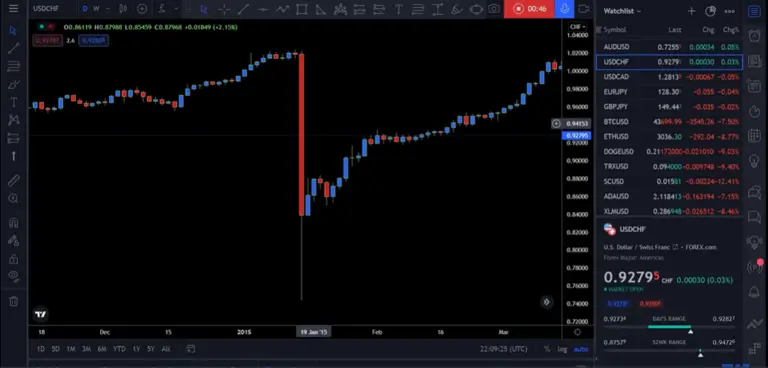
Forex option trading is a way to trade or hedge currency risk. An FX option is a contract that provides the purchaser with the right, but not the obligation, to purchase or sell a specific amount of a currency pair at an agreed price. It provides the buyer not an obligation, but the right to buy (a call option) or sell (a put option) the pair at a specific strike price by a chosen expiration date.
To get that right, the buyer pays a premium upfront. The value of the option can increase if the exchange moves in the direction hoped for. The trader may close the position or, in certain markets, exercise the position to realise gains. If the move does not come to pass, the option can expire worthless, and only the premium is lost by the buyer.
Forex options are commonly used by traders to limit their downside on a spot trade or to plan more efficiently for a news event that may substantially impact the world’s currency market. Options sales can lead to outsized and, at times, more complex risks, so they require robust risk management and rule-based sizing.

Call Option Vs Put Option: What is The Difference
A Call Option gives the buyer the right to buy at the strike price before expiration, while the call seller takes on the duty to sell if assigned.
Example: AUD/USD is $68; you buy a December 70 call for $2.20. The break-even is $72.20, and if ABC rises, the option value can increase.
A Put Option gives the buyer the right to sell at the strike price before expiration, while the put seller takes on the duty to buy if assigned.
Example: AUD/USD is $72; you buy a December 70 put for $2.20. The break-even is $67.80, and if ABC falls, the option’s value can increase.
| Feature | Call option | Put option |
| Buyer’s right | Buy at the strike price before expiration. | Sell at strike price before expiration. |
| When it is ‘in-the-money’ | Strike below the stock price | Strike above the stock price |
| Buyer break-even (simple) | Strike + Premium | Strike – Premium |
| Buyer’s max loss | Premium paid (can be lost if it expires out of the money). | Premium paid (can be lost if it expires out-of-the-money). |
Who Is A Successful Option Trader?
A consistently successful option trader treats trading as risk control first. Then they size positions so one trade cannot hurt badly. They have clear entry, exit, and max loss rules.
They know what moves option prices. These traders monitor time decay and implied volatility, not just direction. They also get the primary Greeks; they show how prices change over time and in movement.
Options traders prefer to trade in liquid contracts to reduce slippage and wide bid–ask spreads. Generally, options traders avoid complex trades they do not fully understand.
Experienced option traders mitigate risk and continuously improve their results through meticulous record-keeping, a strict adherence to rules, and a deep understanding of early assignment and the inherent dangers of short positions.
10 Options Strategies Every Trader Should Understand
You do not need to trade all of these. But you should understand how each option strategy works. Below are 10 option strategies every trader will often see in the options market.
1) Long Call
Definition: Buying a call option to gain exposure to a potential price increase.
How it works: You buy the right to purchase the underlying asset at a fixed strike price before the expiration date.
Potential outcome: Option value may increase if the price moves above the strike price plus the premium paid.
Risk: Premium paid if the option expires worthless.
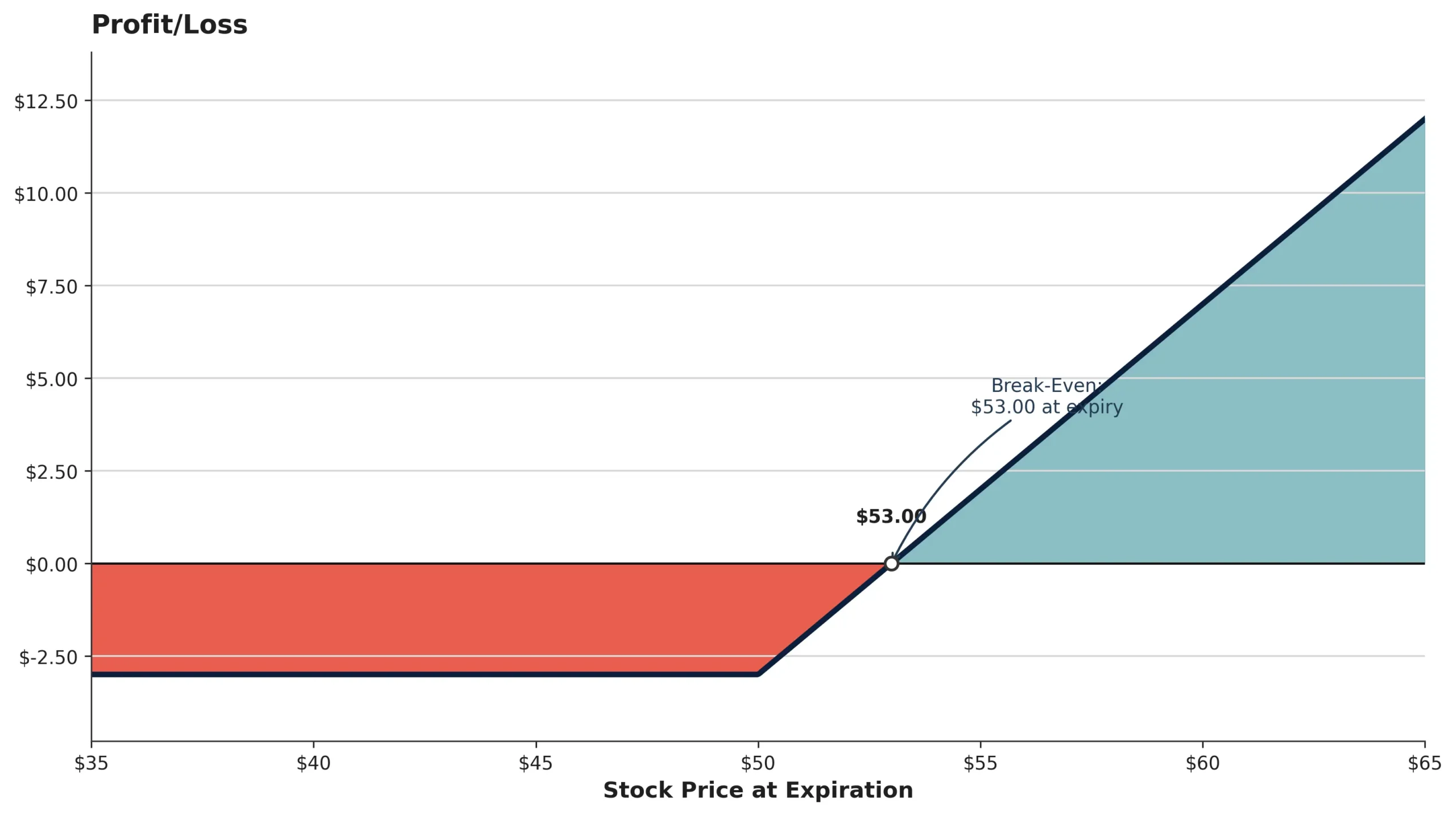
Example: EUR/USD trades at $50. You buy a $1 55 call. If EUR/USD increases to $60, the option would probably be valued at around $5.
2) Long Put
Definition: Investing in a put option to profit from a decline in the share price.
How It Works: You pay a premium for the right to sell the underlying at the strike price before expiration.
Potential outcome: Option CFD value may increase if the price moves below the strike minus the premium.
Risk: The risk is limited to the premium paid.
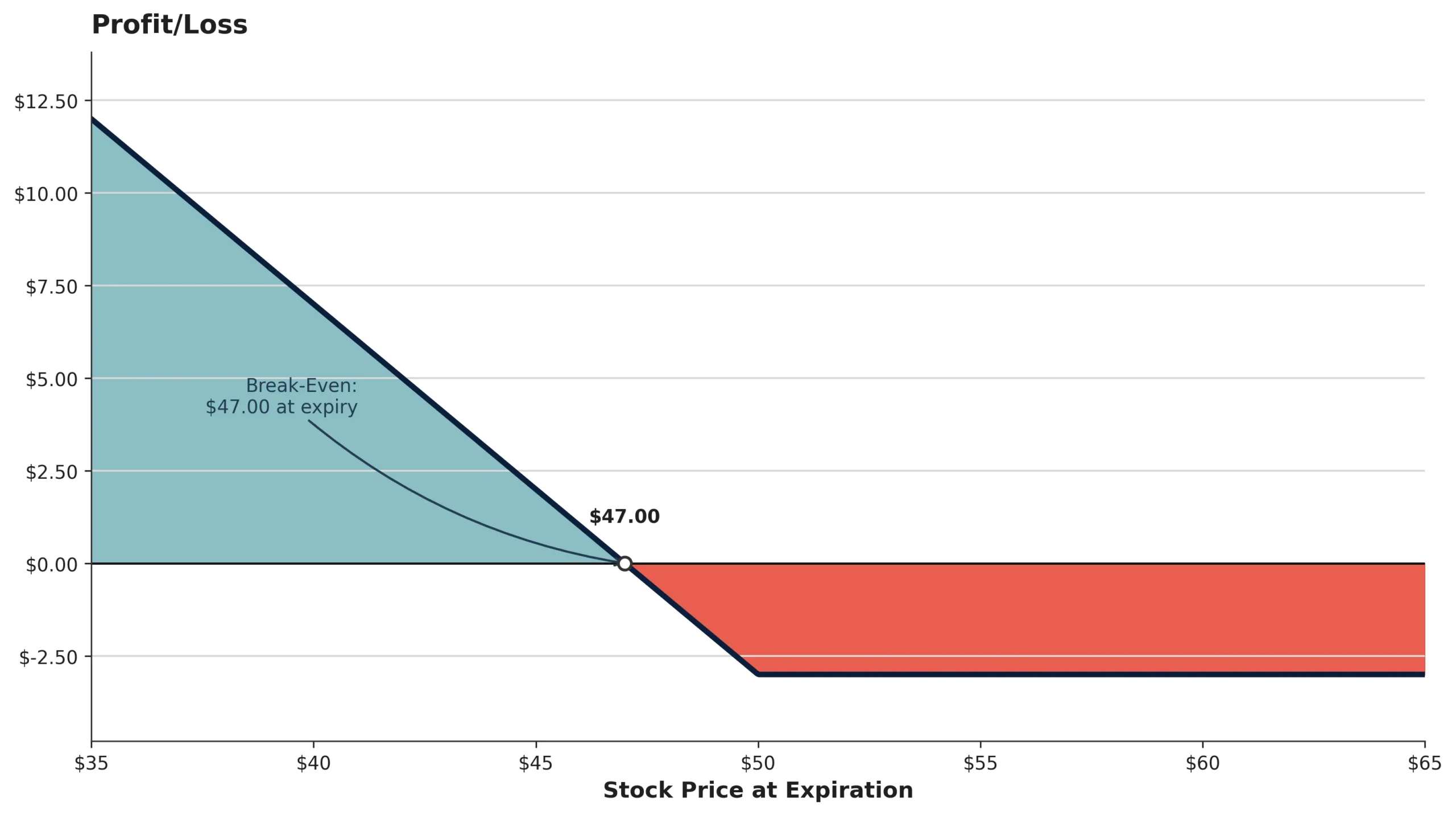
Example: EUR/USD is $50. You buy a 45 for $1. If EUR/USD falls to $40, the put could be worth around $5.
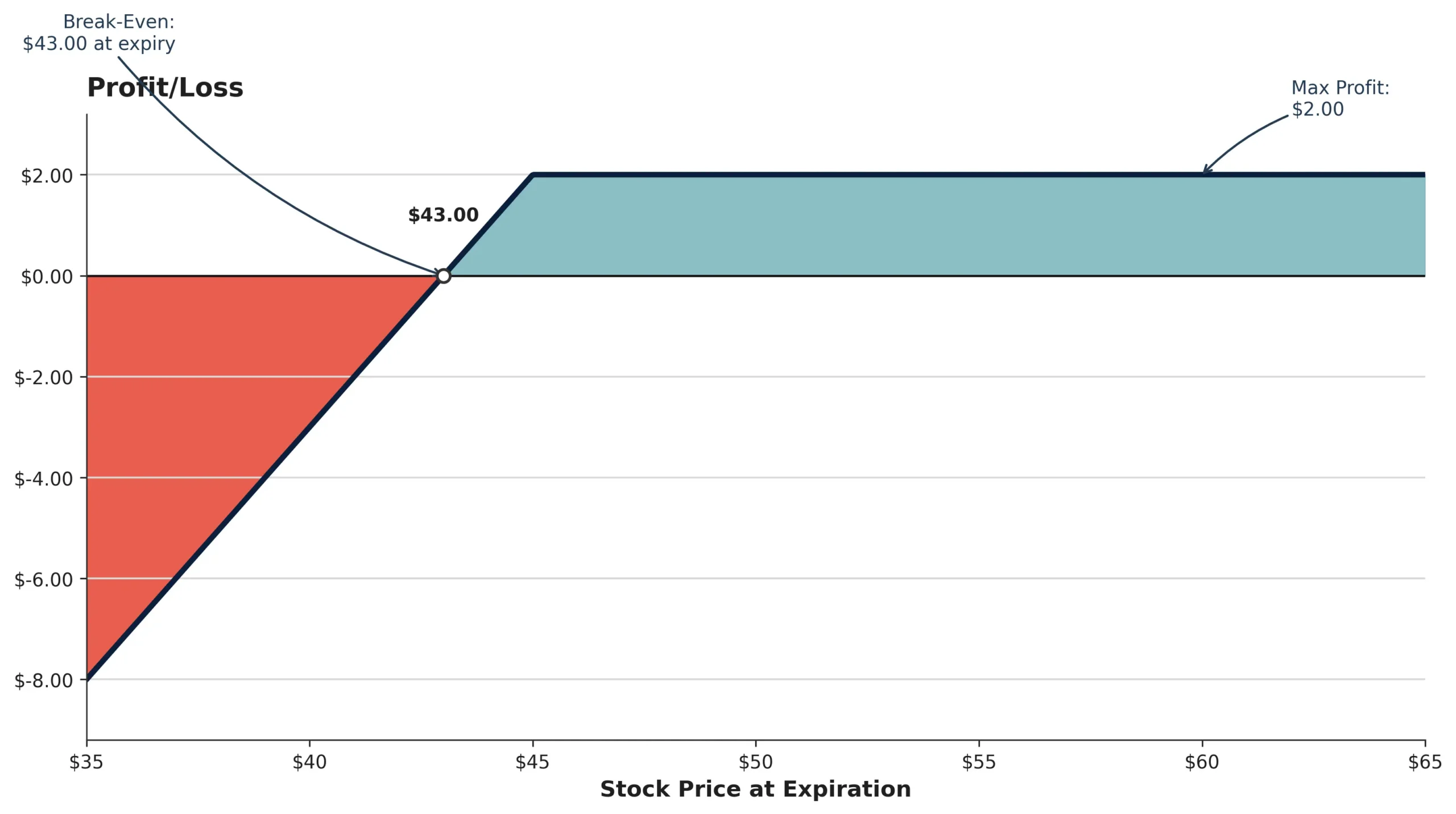
3) Covered Call
Overview: Holding an underlying CFD position and selling a call CFD against it.
How It Works: The seller receives a premium in exchange for assuming defined obligations, while potential gains above the strike price are limited.
Profit: Premium + notional change in the CFD to the strike price.
Risk: Downside risk to the CFD remains; you are only reducing potential losses slightly.EXAMPLE: You hold 1 CFD contract at $50. You sell a 55 call CFD for $1. If EUR/USD remains below $55, then you keep the premium received.
4) Cash-Secured Put
Selling a put option with cash available to buy the shares if assigned.
How it works: You collect premiums in exchange for the obligation to purchase shares at the strike price if your option is exercised.
Profit: Limited to the premium received
Risk: Risk is limited to the notional exposure in the CFD if the position is exercised, based on the strike minus the premium.
Example: EUR/USD is $50. You decide to sell a 45 put CFD for $1, so you allocate sufficient margin. If the position is exercised, your effective entry is $44 per CFD contract.
You can explore using the Vantage Demo Account. Or grab your Free Vantage Live account to test with real market conditions on the Vantage Markets trading platform.
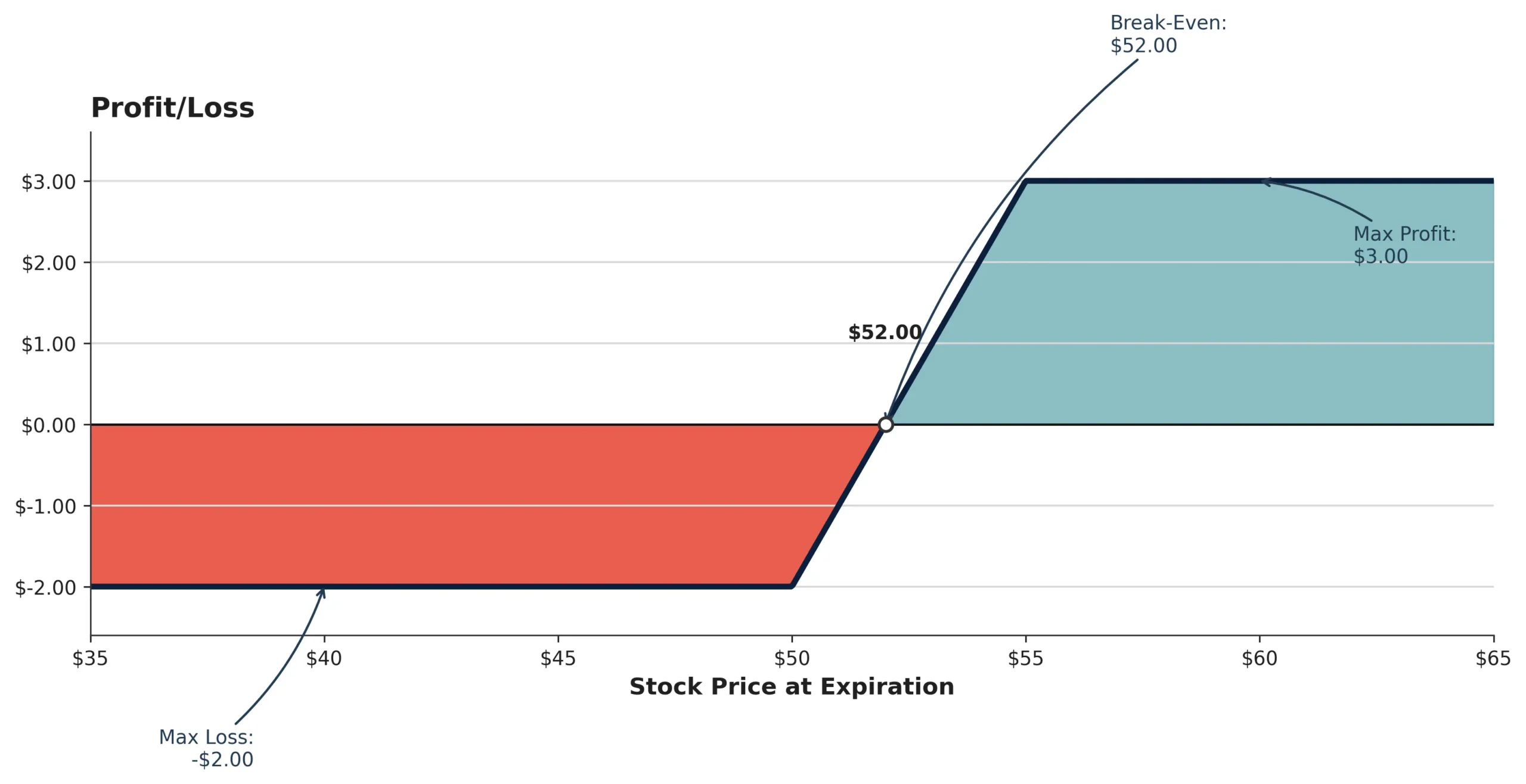
5) Bull Call Spread
Definition: Purchasing a call and selling another higher-strike call of the same expiration.
How it works: The sold call reduces the cost of the bought call but also limits profits.
Profit: Limited to the strike difference minus net cost.
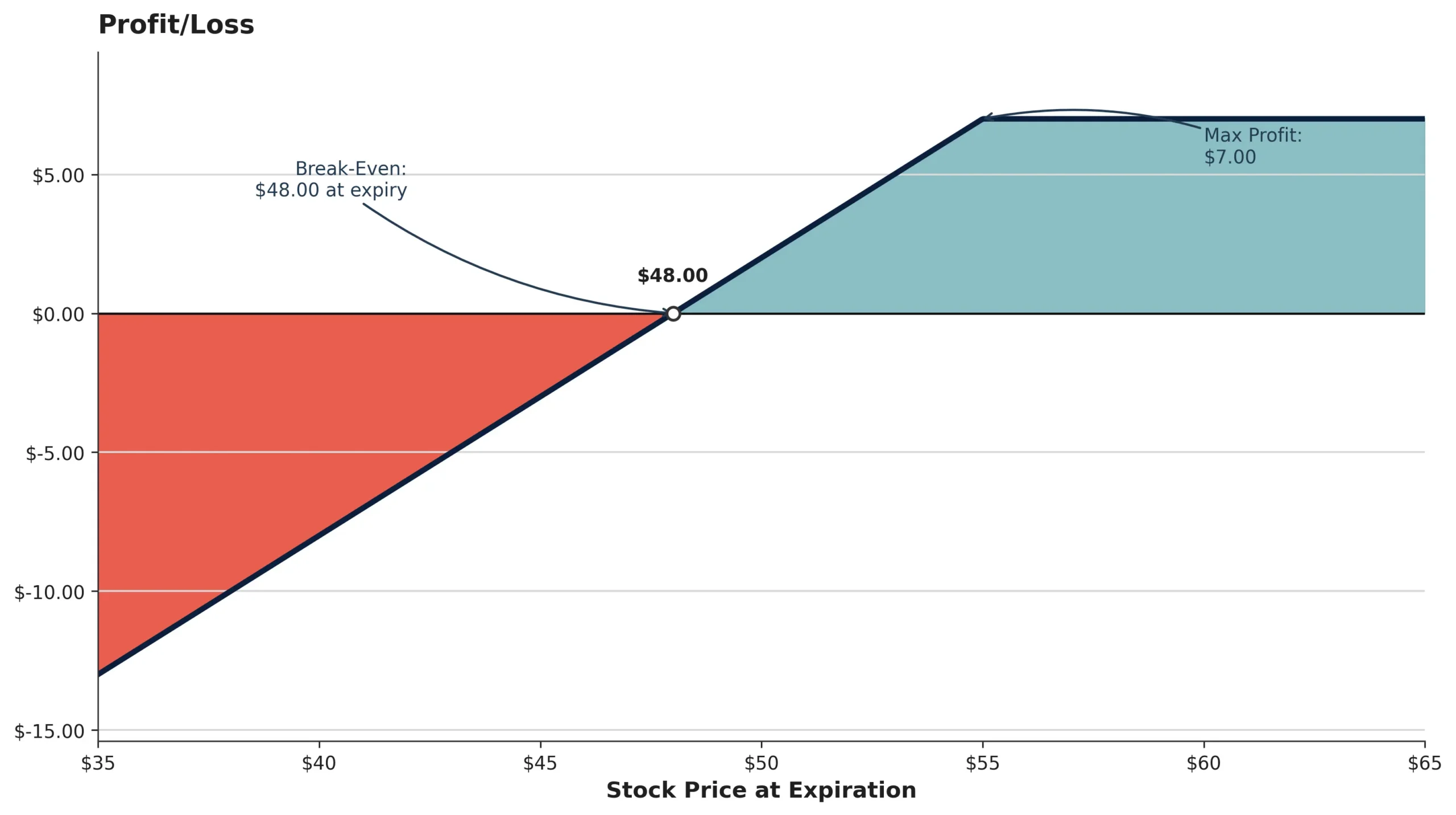
Risk: Risk for the spread is limited to bear calls’ less bullish call strike (48) minus spread width, plus credit received.
Example: Buy a 50 call for $2; sell a 55 call for $0.80. Net cost $1.20. Max profit is $5 − $1.20 = $3.80.
6) Bear Put Spread
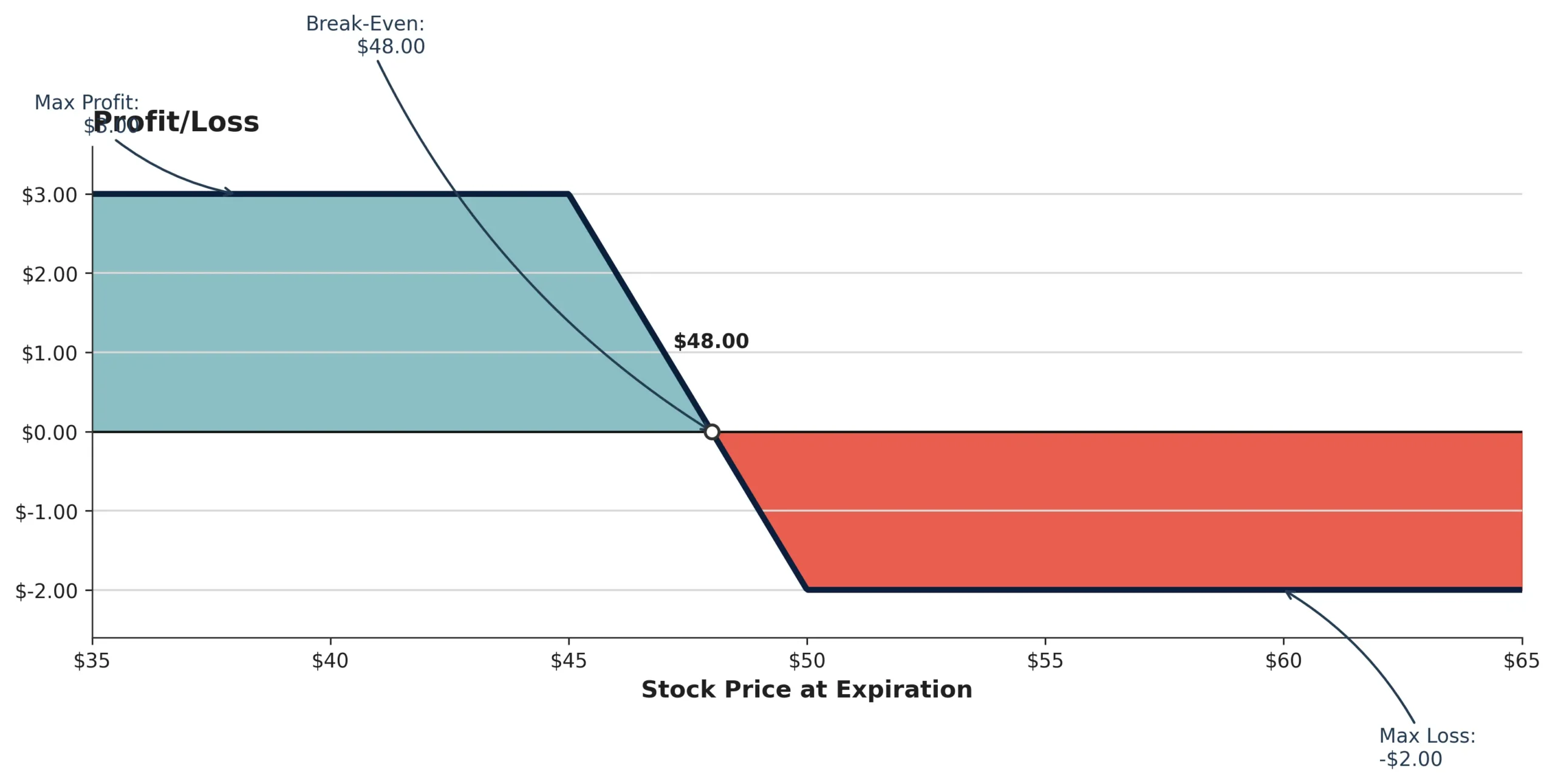
Definition: The purchase of a put and the sale of a lower strike-put, for the same expiration.
How it works: The sold put lowers costs and caps profits in the event of a large drop.
Gains: Limited to the difference between strikes less the net cost.
Risk: Limited to the net premium paid.
Example: Buy 50 put options for $2; sell 45 put options for $0.80. Net cost $1.20. Max profit is $5 − $1.20 = $3.80.
7) Put Credit Spread
Definition: Selling a put and buying a lower-strike put for protection.
How it works: You receive a credit and want the price to remain above the strike price you sold.
Gain: Capped at the credit collected.
Risk: Limited to the strike difference minus the credit.
Example: Sell 45 puts for $1.20; buy 40 puts at $0.50. Credit $0.70. Max loss = $5 − $0.70 = $4.30.
8) Call Credit Spread
Definition: A call spread in which a higher-strike call is purchased for protection.
How it works: You take a credit and want the price to remain below the strike price.
Profit: Limited to the credit received.
Risk: Strike difference less the credit received.
Example: Sell a 55 call for $1.20; buy a 60 call for $0.50. Credit $0.70. Max loss = $5 − $0.70 = $4.30.
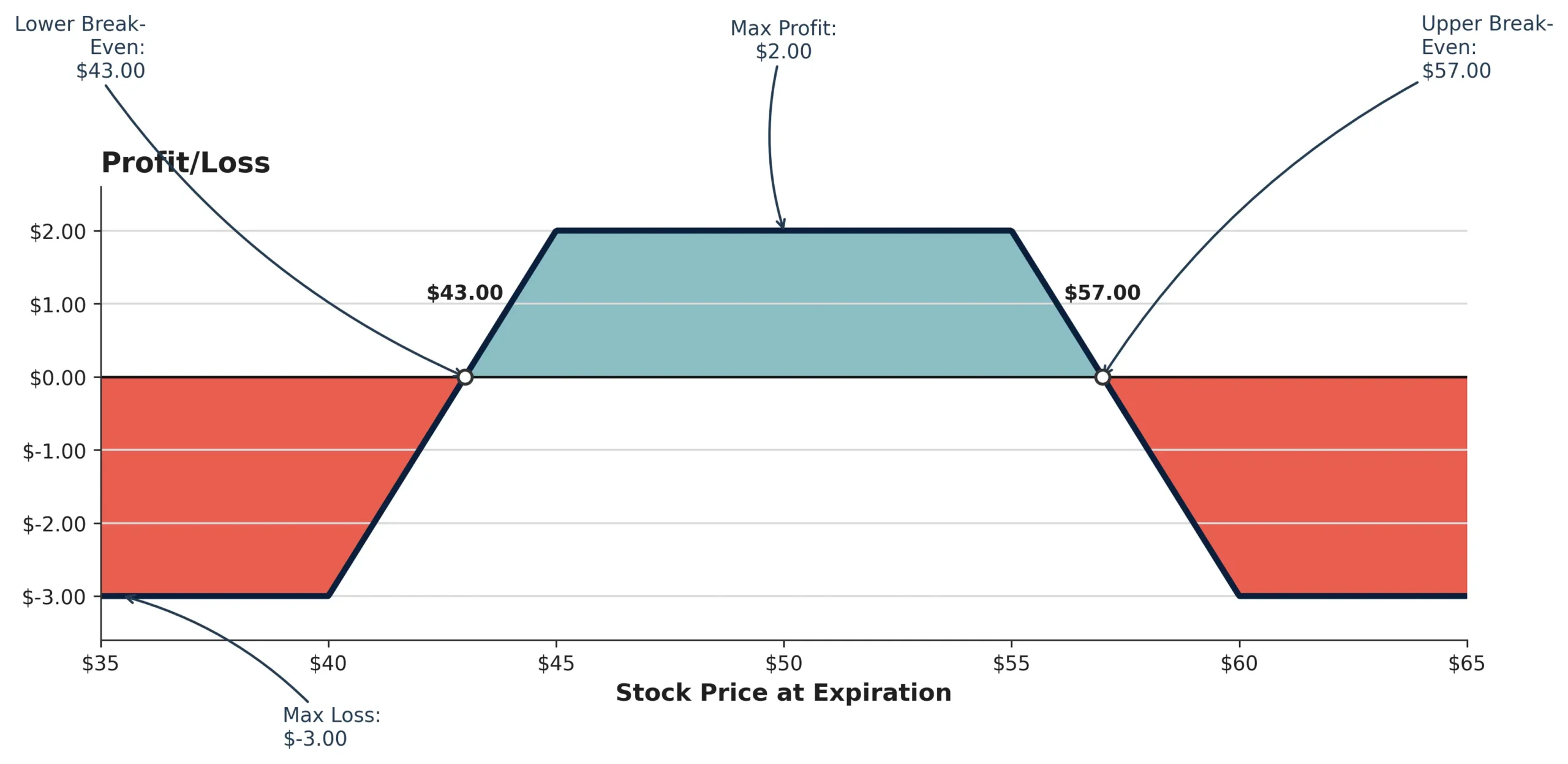
9) Iron Condor
Definition: A range-based position that combines a put credit spread and a call credit spread.
How it works: You receive the total premium and aim to keep the price between the two short strikes until expiration.
Profit: Limited to the amount of credit received.
Risk: Spread width minus the credit, on either side.
Example: EUR/USD is $50. Sell a 45/40 put spread for $0.60 credit and sell a 55/60 call spread for $0.60 credit. Total credit $1.20.
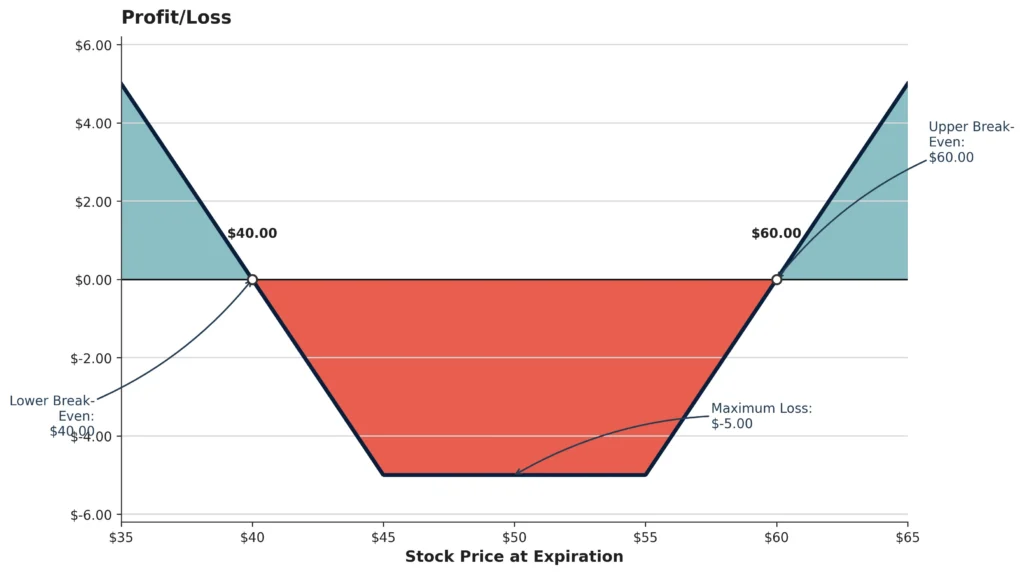
10) Long Straddle
Definition: The purchase of a call and a put at the same strike price and expiration.
How it works: You purchase or short both options and require a strong price move in either direction to earn a profit.
Profit: Profit can be unlimited if the price moves far enough.
Risk: Limited to the combined premium paid.
Example: EUR/USD is $50. Purchase 50 calls for $1.50 each and 50 puts for $1.50 each. Total cost $3.
Effective Risk Management in Options Trading
Risk control in options trading is the true edge. And it’s more critical than choosing the right setup.
Here are the rules that work at scale.
1) Cap risk per trade
Select a set percentage or a set dollar loss limit. Keep it small enough to ride out a bad week.
2) Cap total open risk
Do not stack losing propositions. Correlations rise when markets panic.
3) Use exits you can follow
Choose a target and stop before position entry. Do not make up rules while the trade bleeds.
4) Respect time and speed near expiry
Risk can move quickly as expiration approaches. Don’t try to stay in unsafe buildings “just a day or two longer.”
5) Plan for assignment
Know your recourse if the option is exercised. Understand your purchasing power and the next step. Some brokers require additional approvals or experience checks before allowing options trading.
There’s a reason such an approval exists: the risk is real.
What You Need To Know Before Trading Options
Before you place your first options trade, or whatever strategies you want to use, here are a few things you should do before you start to trade.
1. Know How the Option Works
Get clear on how the product works. An option CFD is a contract linked to an underlying asset, such as a currency pair. A call option gives you the right to buy at a set strike price, and a put option gives you the right to sell. Each contract has an expiration date and a premium (the price of the option). In many equity markets, one contract usually represents 100 shares, so your exposure can add up quickly.
2. Risk
As mentioned above, there are effective ways to manage risk. Options buyers can lose the entire premium if the option expires worthless. Time decay often reduces option value as expiration approaches, especially for out-of-the-money contracts.
Implied volatility can also change option prices sharply, even if the underlying barely moves. If you sell options, risk can be higher and more complex. Early exercise and assignment can happen, which may create unexpected stock positions and margin needs.
3. Pricing
Pricing basics also matter. Options are commonly described in two parts: intrinsic value (what the option is worth right now if exercised) and extrinsic value (the added value from time and volatility). Liquidity is critical. A wide bid-ask spread can increase costs and make it harder to exit at a fair price.
4. Strategy Matters
Choose a strategy that matches your goal and skill level. For income-style approaches, covered calls and cash-secured puts are common. For directional views with defined risk, vertical spreads can help control losses.
In range-bound expectations, neutral strategies like iron condors may fit, but they require strict position sizing and clear exits. For protection, protective puts can act like insurance.
5. Setting Rules
Finally, set rules before you trade. Define your maximum loss per trade, your total risk across open positions, and your exit plan for profit and loss. Confirm broker approval levels, margin rules, and fees. Start with paper trading, use a checklist, and keep a journal so you can learn from real results rather than guesses.
Start Trading with Vantage
If you would like to explore how options or CFDs work in practice, you may consider using a demo account to familiarise yourself with platform features and product mechanics before deciding whether live trading is appropriate for you. You can choose to open a Demo account or a Live Trading account.
Frequently Asked Questions
What Common options strategies are for beginners?
A strong starting point is defined-risk vertical spreads, because your worst-case loss is capped from the start. Credit and debit spreads use two options with the same expiration to control risk.
What Options strategies are often considered beginner-friendly?
Focus on covered calls, cash-secured puts, and vertical spreads since the rules are straightforward.
Most popular among South African traders.
There isn’t a single verified public “most popular” ranking across all South African traders. That said, covered calls (buy-writes) are heavily promoted in local retail education, and Standard Bank describes them as “one of the most commonly used” strategies.
What are the options strategies used for shorter-term market views?
Debit spreads (bull call or bear put) can target short moves while limiting risk. Short timeframes increase sensitivity to time and volatility, so risk control matters even more.
How much money is needed to start options trading?
At a minimum, you need enough to pay the CFD premium plus fees. Contract sizes vary by CFD instrument; for example, a $2.20 premium represents $220 in notional exposure per CFD contract.
RISK WARNING: CFDs are complex financial instruments and carry a high risk of rapid loss of money due to leverage. You should ensure you fully understand the risks involved and carefully consider whether you can afford to take the high risk of losing your money before trading.
Disclaimer: The information is provided for educational purposes only and doesn’t take into account your personal objectives, financial circumstances, or needs. It does not constitute investment advice. We encourage you to seek independent advice if necessary. The information has not been prepared in accordance with legal requirements designed to promote the independence of investment research. No representation or warranty is given as to the accuracy or completeness of any information contained within.
This material may contain historical or past performance figures and should not be relied on. Furthermore, estimates, forward-looking statements, and forecasts cannot be guaranteed. The information on this site and the products and services offered are not intended for distribution to any person in any country or jurisdiction where such distribution or use would be contrary to local law or regulation.
References
- https://www.investopedia.com/articles/optioninvestor/11/how-to-be-a-successful-options-trader.asp How To Become A Successful Option Trader
- https://www.investopedia.com/options-basics-tutorial-4583012 What is options Trading?
- https://www.investopedia.com/trading/options-strategies/ 10 Option Strategies Every Investor Should Know
- https://www.investopedia.com/terms/forex/f/foreign-currency-option-trading.asp Forex Options Trading Types
- https://www.investor.gov/introduction-investing/general-resources/news-alerts/alerts-bulletins/investor-bulletins-63 An Introduction To Options
- https://www.finra.org/investors/insights/trading-options-understanding-assignment Trading Options: Understanding Assignment
- https://thetradinganalyst.com/options-trading-statistics/ Options Trading Statistics