
 Updated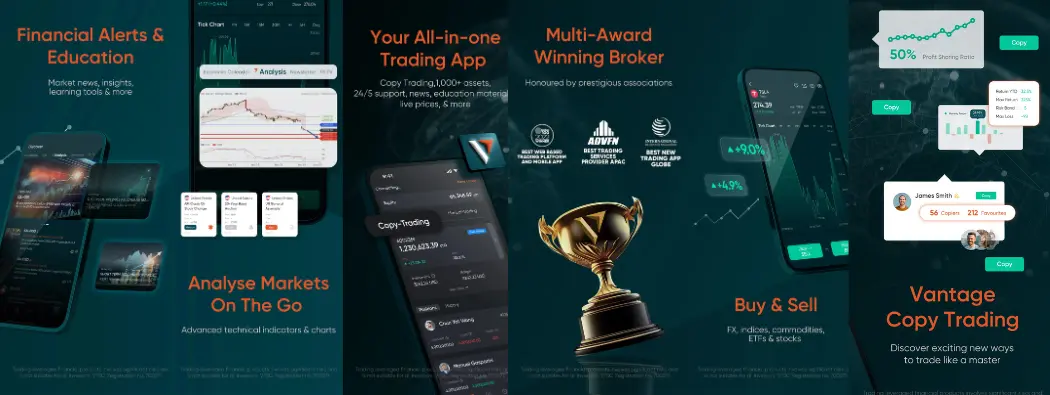
A forex trading account is the account you open with a broker to access forex CFDs through a trading platform. Choosing the right forex trading account depends on your goals, budget, experience, and preferred trading style.
In this guide, you’ll learn what a forex trading account is, how it works, the main forex trading account types, and what to check before choosing one in South Africa.
Key Takeaways
- A forex trading account is the account you use to access the market through a broker’s platform.
- There are different account types, including demo, live, standard, micro, ECN, and Islamic accounts.
- The right account depends on your experience level, budget, risk tolerance, and trading style.
- A demo account helps you practice, while a live account involves real money and real market risk.
- Before choosing an account, check the broker’s regulation, trading costs, platform, and funding options.
- Opening an account is easy, but choosing the right one matters more than signing up quickly.
Image source: Canva
What is a Forex Trading Account?
A forex trading account is an account that you open with a broker to trade forex CFDs (contracts for difference on currency pairs), allowing you to speculate on price movements without owning the underlying assets in the foreign exchange market.
Consider it your own trading portal and gateway to the global financial market. It links you to the broker’s platform, displays price movements, and enables you to place trades, as well as monitor your balance, profit, and loss.
Without a trading account, you cannot access live CFD trading on forex markets.
How It Functions:
Your account serves as the central hub for all your market activity. It provides a direct link to your broker’s software, where you can:
- Analyze Data: Watch real-time price fluctuations across various currency pairs.
- Execute Orders: Buy or sell positions with a few clicks.
- Manage Finances: Track your available margin, monitor open trades, and review your overall profit and loss in real-time.

What Is the Purpose of a Forex Trading Account?
A forex trading account provides you with the necessary tools to trade. It allows you to:
- Access forex markets through CFDs
- Place buy and sell orders
- Use trading platforms like MetaTrader
- Monitor open and closed trades
- Deposit and withdraw funds
- Manage risk with stop loss and take profit orders
The account, in simple terms, is the bridge between you and the market.
How Does a Forex Trading Account Work?
Your broker provides you with access to a trading platform when you open a forex trading account. From this point, you would see live market prices and trade forex CFDs on currency pairs such as EUR/USD, GBP/USD, or USD/JPY.
Here is how it usually works:
- Register with a broker.
- Complete identity checks(KYC).
- You choose an account type.
- If you choose to trade live, you fund the account.
- And thereafter log in to the platform.
- You execute the trades according to your view of the market.
If the market moves in your favour, you may make a profit. If it moves against you, you may incur losses. That is why getting an online forex trading account is just the beginning. Trading outcomes depend on multiple factors, including market conditions and risk management.
Types of Forex Trading Accounts
Forex trading accounts are not all created equally. Not all options are available from a broker,r so they offer options that can cover different trading styles.
1. Demo Forex Trading Account
A demo forex trading account allows a beginner to practice trading with the broker-provided virtual funds. Beginners often use it to get started. It helps you familiarise yourself with the trading platform without risking your own money.
A demo account is useful for:
- figuring out how to enter and exit trades
- testing trading strategies
- knowledge of lot size, leverage, and margin
- building confidence before going live
Nonetheless, a demo account is not equivalent to live trading. It doesn’t have the emotional pressure of playing with actual cash.
2. Live Forex Trading Account
A live trading account deals with real funds. You can then trade forex CFDs in live market conditions once funded. This type of account is typically used by traders who have moved beyond practice. It involves both potential opportunities and risks.
Gain practical experience in real market conditions with a live trading account. It allows you to;
1. Trade with real funds,
2. Withdraw available funds, subject to the broker’s terms,
3. Feel real market pressure
4. Develop discipline and emotional control
Most people get a live account too soon. It results in avoidable loss a great deal of the time.
3. Standard Forex Trading Account
The most common type of trading account is a standard account. It may suit traders who need a complete set of market access and those who can trade larger position sizes. The typical lot size for this account is 100,000 units of base currency. However, you can trade with a 1000 balance (in units of the base currency), depending on the broker’s margin and leverage rules.
This account often comes with:
- standard lot trading
- Either wider or normal spreads as per the broker.
- access to major trading tools
For a new trader on a shoestring budget, it may not be the best fit.
4. Micro or Cent Forex Trading Account
Micro accounts/cent accounts for smaller trades and lower deposits. They can be a suitable starting point for newcomers, as they minimise risk while helping them learn about real-time market conditions. The potential profits from this account are limited due to its smaller trade sizes.
It can help traders:
- start with less money
- trade smaller lot sizes
- manage losses better
- Take on less pressure with live market experience
5. ECN or Raw Spread Account
An ECN account or raw spread account often may offer tighter spreads, but may charge a separate commission. This account type may be preferred by more experienced or active traders who consider pricing and execution.
It is important to compare the total cost, not just the spread. A low spread with high commission is not always cheaper.
6. Swap-Free or Islamic Forex Trading Account
It is a Sharia-compliant trading account that operates without interest. Also called a swap-free account, it is designed for Muslim traders who want to avoid overnight swap charges.
This account is often used by traders who hold positions overnight and want an option that matches their personal or religious needs.
Always check the broker’s terms, because swap-free accounts may have other conditions or fees.
This account type is characterised by;
- No interest or riba
- positions are often executed immediately
- Some brokers may restrict trading in certain assets, such as cryptocurrencies, or require specific conditions to trade gold or silver.
Demo vs Live Forex Trading Account
Demo accounts are created to help you learn the basics. A small live account helps you experience real market emotion without taking large risks.
Use a demo account to learn:
- platform navigation
- order types
- stop loss and take profit
- chart reading
- trade management
NOTE: Move to live trading only when you understand the basics and have a clear plan.
The table below compares the demo and live accounts.
| Feature | Demo Account | Live Account |
| Money used | Virtual money | Real money |
| Risk level | No real financial risk | Real risk of loss |
| Purpose | Practice and learning | Regional supply risk |
| Emotions involved | Low emotional pressure | High emotional pressure |
| Market conditions | Simulated market setting | Real market setting |
| Trading Experience | Good for beginners | Usually, for active real trading |
| Profit and loss | Not real | Real |
Managed Forex Trading Accounts
A managed forex trading account is an account where a professional trader or money manager places trades for you. Instead of trading on your own, you grant limited authority for the account to be managed according to an agreed-upon strategy or risk level.
This type of account may suit people who want exposure to forex CFDs but do not have the time or skill to trade actively. It is still important to remember that managed accounts carry risk, and losses are still possible.
Example:
A business owner wants access to the forex market but cannot trade during the day. He opens a managed account, and an experienced manager handles the trading while he tracks the account’s performance.
Corporate Forex Trading Account
A corporate forex trading account is a trading account opened in a company’s name rather than a personal name. It may be used by businesses that want to manage trading activity, keep company funds separate, or handle foreign exchange exposure through a formal business structure.
Opening this type of account usually requires additional documents, such as company registration documents, proof of business address, and IDs for authorized persons.
Example:
A South African company that pays overseas suppliers opens a corporate forex trading account to manage currency exposure. The account is held in the business’s name, and only approved staff can use it.
What to Check Before Opening a Forex Trading Account
This is where most beginners tend to go wrong. Their focus is so much on speedy signing-up, bonuses, or high leverage. They don’t allocate enough time to verifying the more important functionalities. Here are some major points to check.
1. Regulation and Trust: It is always advisable to verify if the broker is regulated under a financial authority like the Financial Sector Conduct Authority (FSCA) for South African traders. Trust in regulation is another layer to the model.
So, it is normally better to choose a well-regulated broker than one that makes bold claims with limited evidence.
2. Account Type Fit: The most competitive forex trading account is not the one that has the most attractive deal. It is the one that matches:
- your skill level
- Your starting capital
- Risk tolerance
- And trading style
Most beginners should try a demo account, and then start with either a micro or a cent account.
3. Spreads and Commissions: Take a look at the total trading cost. Some brokers have zero or very low spreads while charging a commission. Others incorporate costs in the spread. Compare both.
4. Leverage: Leverage allows a small account to control a larger position size. That is appealing, but it also adds risk. Leverage is not always a good thing. It creates losses for many novices more rapidly than anticipated.
5. Deposit and Withdrawal Options
Check:
- Available payment methods
- Minimum deposit
- Processing time
- Possible fees
- Ease of withdrawal
When all goes smoothly with your trades, you want that experience to carry over into how you access your money.
6. Trading Platform: It should be stable, easy to use, and accessible on your device. A strong platform helps you:
- place trades with ease
- Monitor price movement
- Use chart tools
- Manage risk quickly
7. Customer Support: Dependability counts more than most realise. Quick support saves time and reduces stress when there are problems with login, funding, or trade.
8. Negative Balance Protection: This is a major feature that lots of people forget about, who are just starting. Negative balance protection may help limit losses to the funds in your account, depending on the broker’s terms and conditions.
What Factors Influence the Choice of a Forex Trading Account?
One of the first real decisions a trader has to make is choosing a forex trading account. At first glance, it may appear simple, but it will have an immediate impact on how you trade, how much you pay in fees, what kind of risk you carry, and how comfortable you are in the market.
Many people rush this step. They notice low spreads, high leverage, or assurances of quick registration and take them as sufficient. It is not. The best forex trading account for you will reflect your experience, budget, trading style, and risk tolerance.
- Your Level of Trading Experience: From the beginning, your level of expertise should help you decide which account type to use. A simple setup is required for someone who is still figuring out how to place orders, read charts, and manage risk. That is also the reason why many beginners choose a demo account first. This allows them to practice with virtual cash and become accustomed to the trading platform without risking any real capital. A more experienced trader may want tighter spreads, faster execution, and more advanced pricing.
- Your Starting Capital: Some traders begin with a small deposit. Others are comfortable starting with more. Either way, the real question is not just how much you can deposit. It is how much you can afford to risk without putting yourself under pressure. A trader who starts with money they cannot afford to lose often makes emotional decisions. That usually leads to poor trade management.
- Your Risk Tolerance: Every trader has a different comfort level with risk. Some people can stay calm through market swings. Others become anxious when they see even a small loss. This matters because the type of account you choose can affect your exposure, trade size, and emotional response to market movements.
- Your Trading Style: Not every trader approaches the market the same way. Others make a slew of trades in a single day. Others keep them for days. Some are concentrated on short-term price movements. Others are less transactional and more big-picture.
A trader who opens a lot of positions might place more importance on tight spreads and speedy execution. That makes a raw spread or ECN account more attractive. A novice trader may prioritize simplicity over speed.
A trader who is on a nightly basis may care more about swap rates. On the other hand, a trader who has religious concerns is more likely to use a swap-free account. Put simply, your account should suit how you trade rather than merely what the broker markets.
How Much Money Do You Need to Open a Forex Trading Account?
The answer to this question depends on the broker and the account type. Some brokers allow traders to start with a small deposit. Others ask for more. Still, the better question is not only, “How little can I start with?” It is also, “How much can I afford to risk?”
A small deposit can help you get started, but do not confuse a low entry cost with low risk. Even a small account can be lost quickly if you trade without discipline.
Why You Should Consider Opening a Demo or Live Account with Vantage
As a CFD broker, Vantage provides traders with tools and support to help them navigate the markets. They also offer traders access to CFDs on forex, indices, commodities, and shares.
You can explore trading features through a Demo Trading Account or consider opening a Live Account.
Common Mistakes New Forex Traders Make
The wrong mindset is one of the most common issues traders struggle with when opening a forex trading account.
Here are common mistakes:
- Choosing the Wrong Account Type: An inexperienced person might create a complicated account meant for active or sophisticated traders.
- Using High Leverage Too Early: This can lead to large losses quickly.
- Ignoring Fees: For example, some traders focus exclusively on spreads and overlook commissions, swaps, or withdrawal terms.
- Skipping the Demo Stage: They start live trading before they know how to use the platform.
- Trusting Marketing Too Much: Just big promises don’t mean trade conditions improved.
- Focusing on Fast Profit: A Forex trading account is a tool, not an easy way to get rich.
Frequently Asked Questions
What is a forex trading account?
A forex trading account is an account opened with a broker that gives you access to trade currency pairs through a trading platform. It lets you view market prices, place trades, monitor positions, and manage your funds. In many cases, traders use it to trade forex CFDs rather than the physical currencies themselves.
What is the best forex account for beginners?
For most beginners, a demo account is the safest place to begin. It helps you learn how trading works before moving to a small live account, such as a cent or micro account.
Can I start forex with a small deposit?
Yes, many brokers let you begin with a small amount of money. Even so, it is wise to start small, since a small deposit can still be lost quickly without proper risk control.
Is a demo account free?
Yes, demo accounts are usually free to use. They give you virtual funds so you can practice trading without risking real money.
How do I open a forex trading account with Vantage Markets?
Opening a forex trading account with Vantage Markets is a quick, mostly digital process that involves filling out a registration form, verifying your identity with documents (passport/driver’s license), and depositing funds. The process takes approximately 5 minutes, and account verification is usually completed within 1 day.
What documents do I need to open an account at Vantage Market?
To open a live trading account with Vantage Markets, you generally need to provide a government-issued photo ID (passport, driver’s license, or national ID) and proof of address documentation, such as a utility bill or bank statement issued within the last 3 months. These documents are required to fulfill KYC (Know Your Customer) regulations.
What is the difference between a live account and a demo account?
A demo account uses virtual money for practice, while a live account uses real money in actual market conditions. The main difference is that a live account comes with real gains, real losses, and real emotions.
Is a cent account better for new traders?
A cent account can be a smart option for new traders who want to trade live with less pressure. It allows smaller position sizes, making it easier to manage risk while gaining real market experience.
What fees should I check before opening an account?
Before opening an account, check the spread, commissions, swap fees, and any deposit or withdrawal charges. It is also important to look out for inactivity fees or other extra costs that may not be obvious at first.
Risk Warning: CFDs are complex financial instruments and carry a high risk of rapid loss of money due to leverage. You should ensure you fully understand the risks involved and carefully consider whether you can afford to take the high risk of losing your money before trading.
Disclaimer: The information is provided for educational purposes only and doesn’t take into account your personal objectives, financial circumstances, or needs. It does not constitute investment advice. We encourage you to seek independent advice if necessary. The information has not been prepared in accordance with legal requirements designed to promote the independence of investment research.
No representation or warranty is given as to the accuracy or completeness of any information contained within. This material may contain historical or past performance figures and should not be relied on. Furthermore, estimates, forward-looking statements, and forecasts cannot be guaranteed. The information on this site and the products and services offered are not intended for distribution to any person in any country or jurisdiction where such distribution or use would be contrary to local law or regulation.
References
- https://www.investing.com/brokers/guides/forex/forex-account-types-which-one-is-ideal-for-your-trading-style/ – Which Forex Account Type is Ideal for Your Trading Style?
- https://www.investopedia.com/terms/forex/f/forex-accounts-managed-mini-demo.asp – What is a Forex Account, and How it Works.
- https://calbizjournal.com/top-5-factors-to-consider-when-choosing-a-forex-trading-platform/ – What To Consider When Choosing A Forex Trading Platform.
- https://www.wallstreetmojo.com/common-mistakes-new-forex-traders/ – Common Mistakes New Traders Make
- https://www.investopedia.com/articles/forex/08/forex-account-type.asp – Forex Account Type
- https://www.vantagemarkets.com/en-au/academy/what-is-spread-in-forex/ – Spread in Forex Trading